Astronomers capture highest-resolution image ever of the Sun's surface
Posted by layer8 10 hours ago
Comments
Comment by lucgommans 8 hours ago
Here are the figure 1 a-c images, lossless as they are in the PDF, having cropped a few transparent pixels for each one: https://lucgommans.nl/tmp/doi_10.1038_s41586-026-10871-3_fig... https://lucgommans.nl/tmp/doi_10.1038_s41586-026-10871-3_fig... https://lucgommans.nl/tmp/doi_10.1038_s41586-026-10871-3_fig...
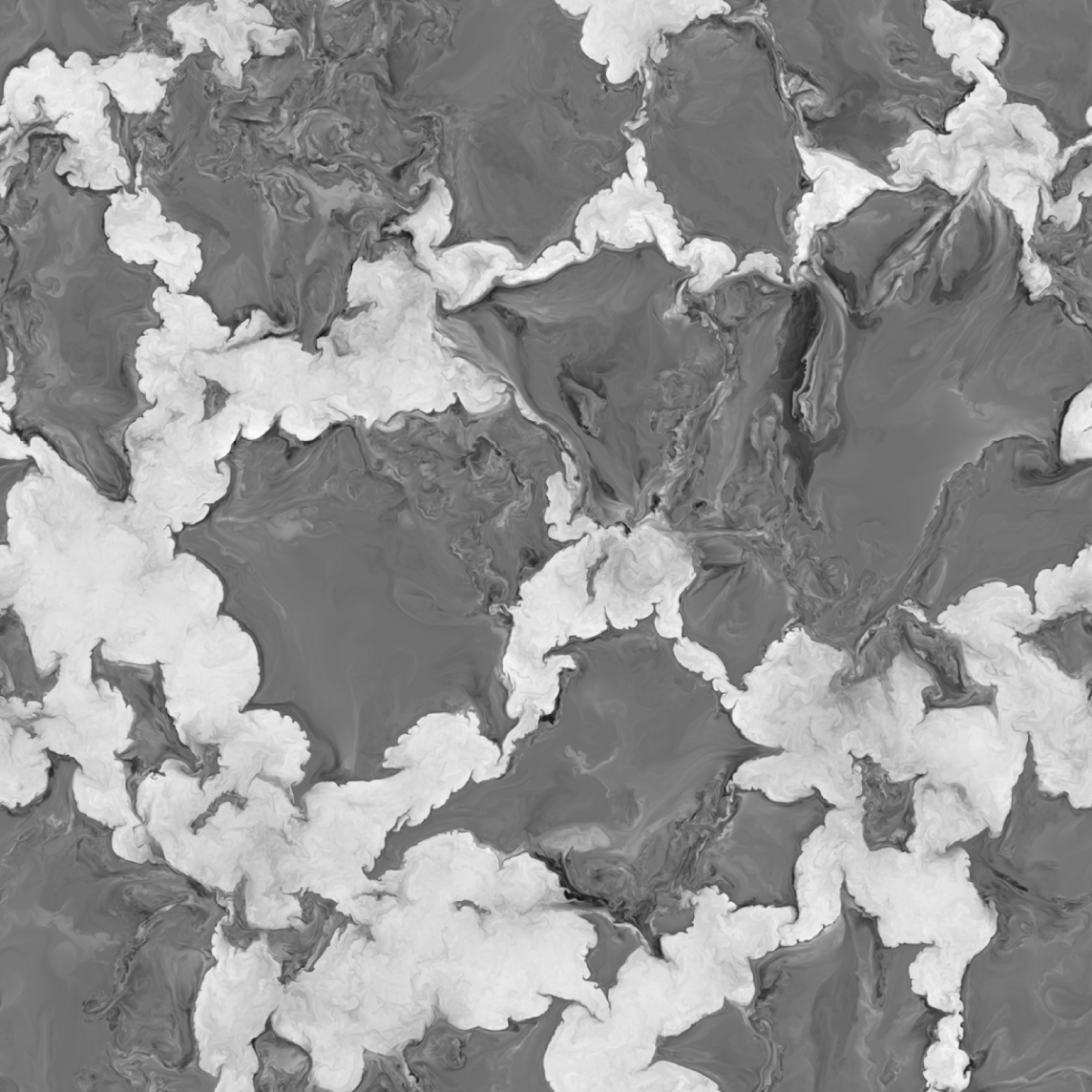
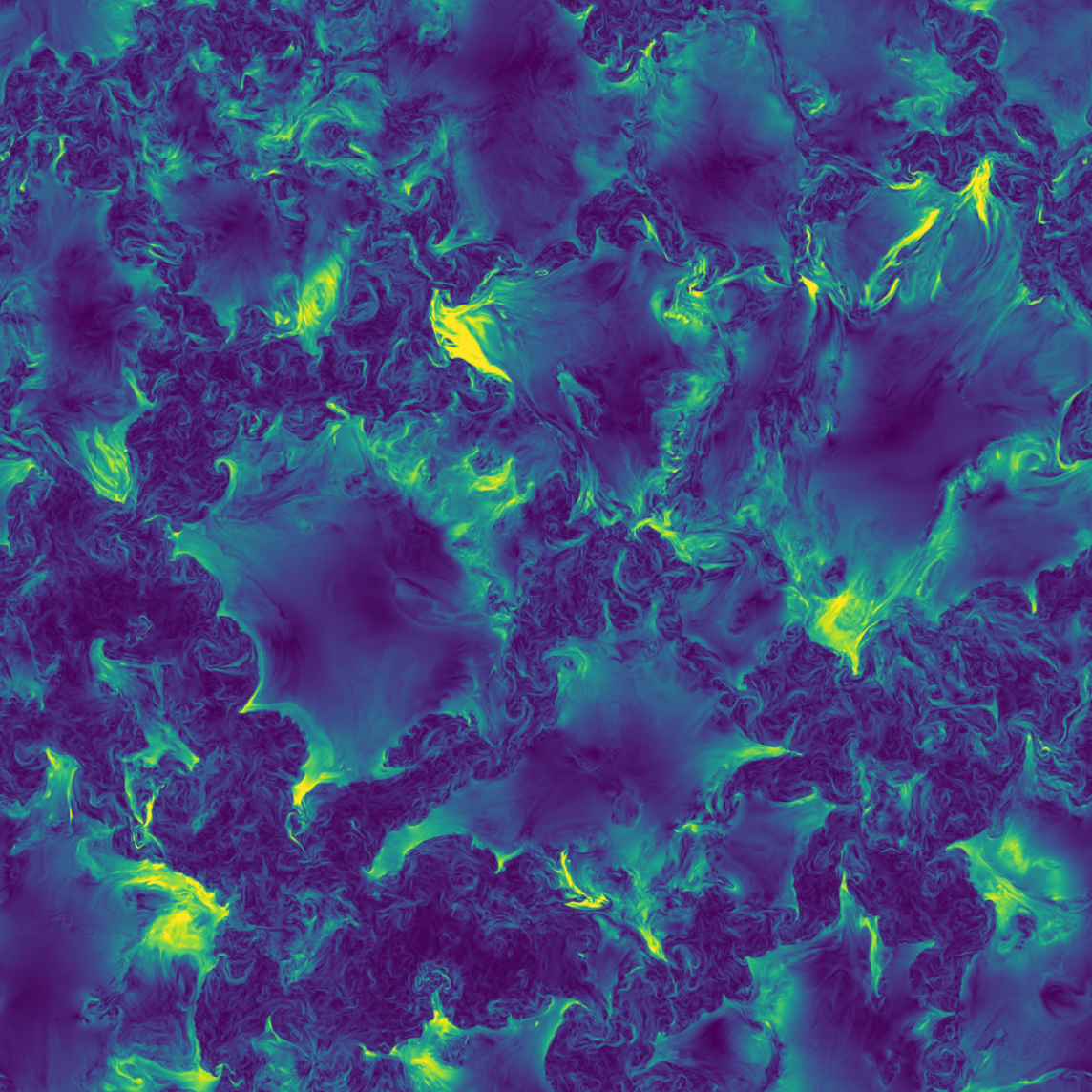
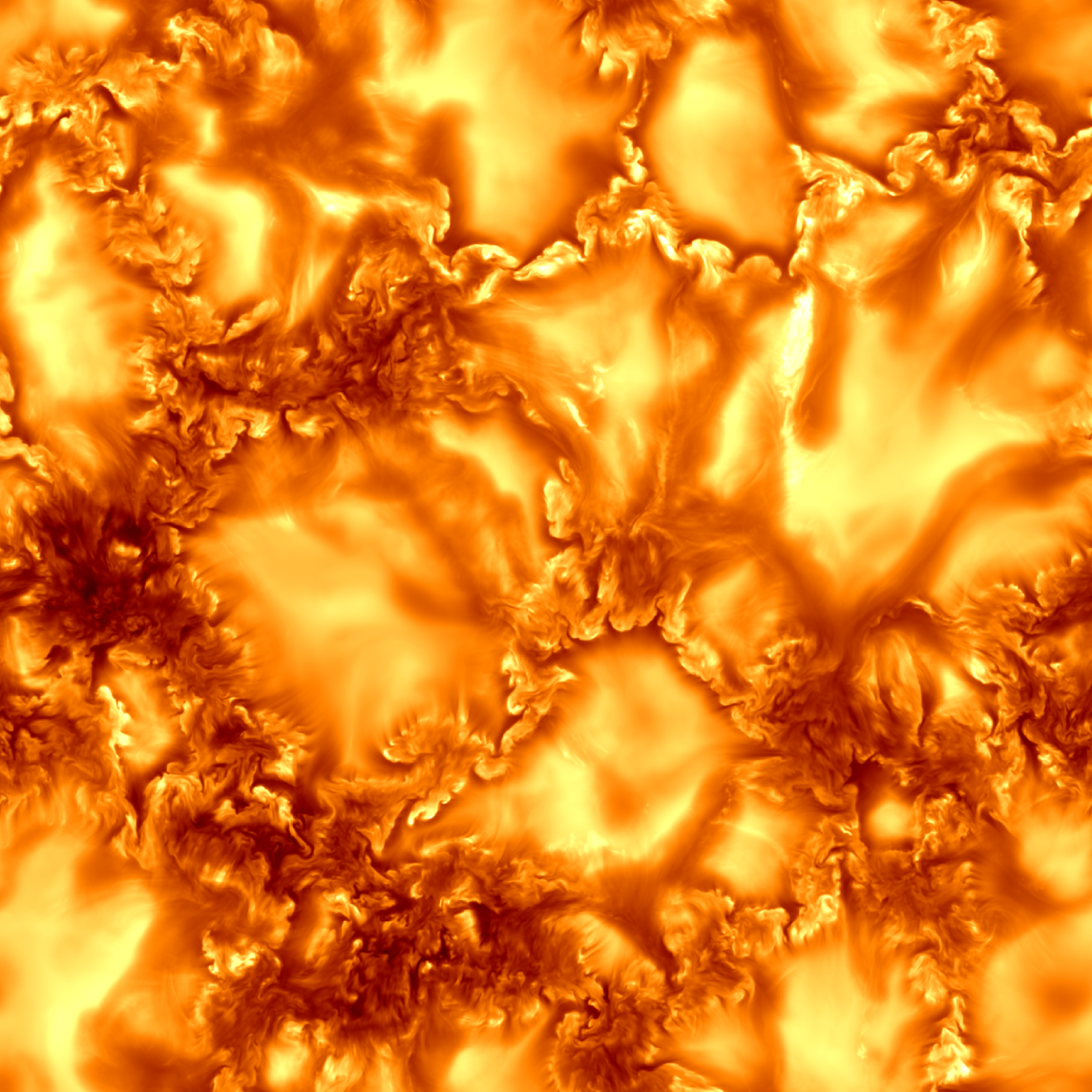
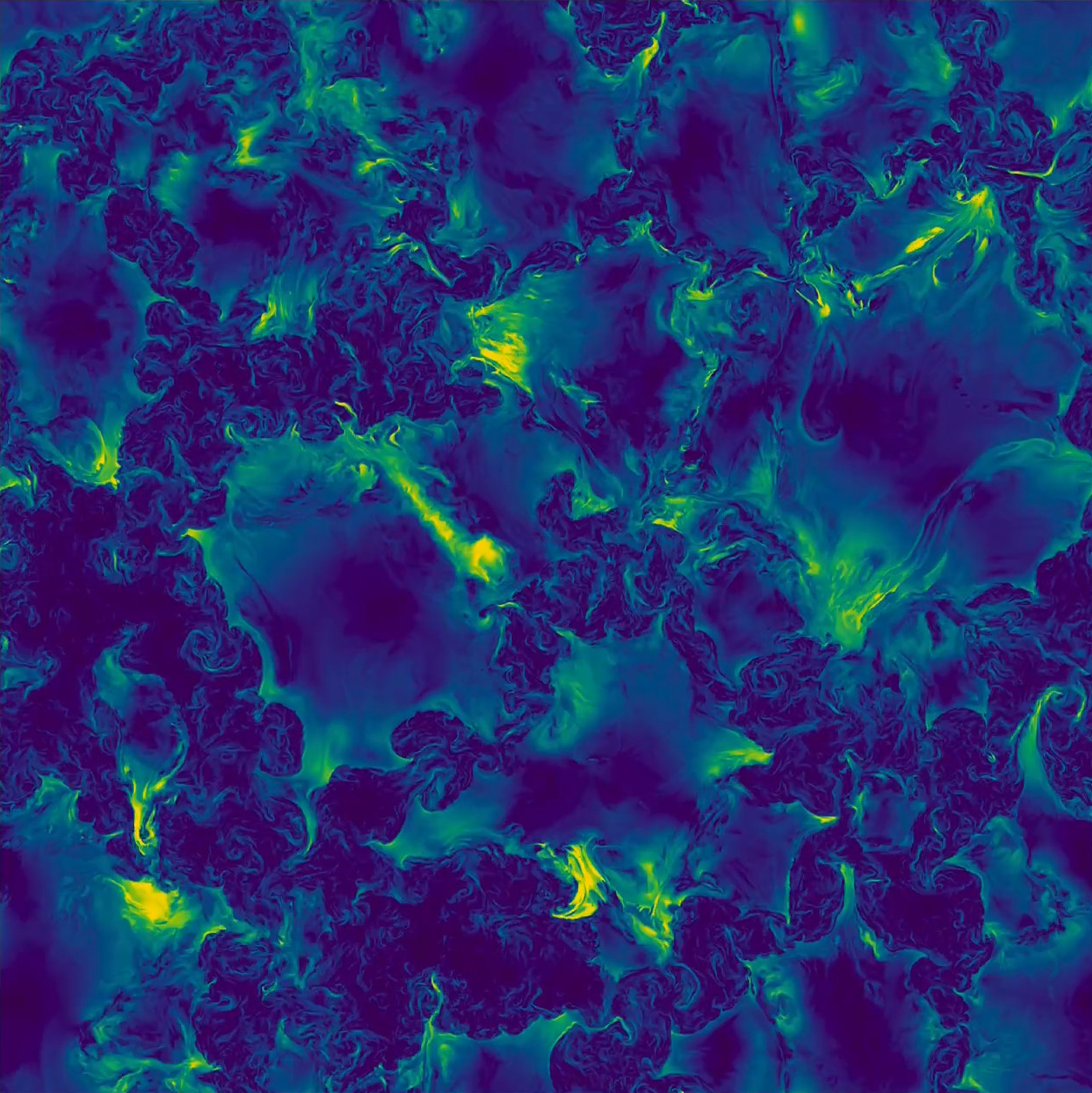
edit: supplementary video 2 has a panel similar to figure 1b in 10% higher resolution, screenshot: https://lucgommans.nl/tmp/doi_10.1038_s41586-026-10871-3_sup...
Comment by dotfrag 9 hours ago
Comment by ChrisArchitect 9 hours ago
Comment by ck2 9 hours ago
("Max Planck Institute for Solar System Research" sounds so wonderfully Star Trek doesn't it)
Comment by sph 9 hours ago
— Eudoxus of Cnidus, 4th century BC